
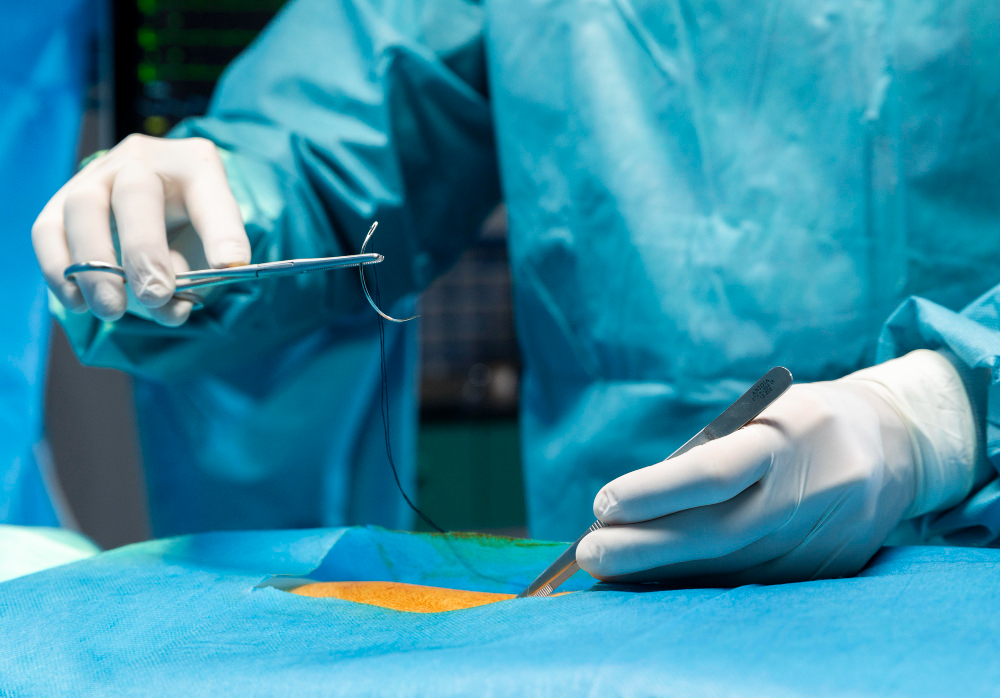
What is an Appendectomy?
An appendectomy is a surgery to remove the appendix. The appendix is a small, finger-shaped pouch attached to your large intestine. Often, doctors perform an appendectomy when the appendix becomes swollen or infected. This infection is called appendicitis. Because appendicitis can be dangerous, quick treatment is important. Many people recover well after this surgery.
Why is an Appendectomy Needed?
Usually, an appendectomy is needed when someone has appendicitis. If the appendix bursts, it can spread infection inside the belly. This can be life-threatening. Therefore, doctors often recommend appendix removal surgery as soon as possible. Sometimes, an appendectomy is also done if there is a risk of cancer or other rare problems.
Symptoms Indicating Appendectomy
It is important to know the signs you need an appendectomy. Early treatment can prevent serious problems. Watch for these symptoms:
However, not everyone has all these symptoms. If you notice these signs, seek medical help quickly.
Diagnosis Before Appendectomy
Before an appendectomy, doctors need to confirm appendicitis. First, they will ask about your symptoms. Next, they will check your belly for pain or swelling. Often, doctors use tests such as:
With these tests, doctors can decide if appendix removal surgery is needed.
Types of Appendectomy Procedures
There are two main types of appendectomy procedures. Your doctor will choose the best one for you.
Both methods are safe and effective. However, the choice depends on your health and the surgeon’s advice.
Recovery and Aftercare
After appendix removal surgery, most people recover quickly. Recovery time depends on the type of surgery and your overall health. Here are some tips for a smooth appendectomy recovery:
Usually, people can return to normal activities in one to three weeks. However, always check with your doctor before resuming heavy work or exercise.
Risks and Complications
Although appendectomy is common, all surgeries have some risks. Most people do not have serious problems. Still, it is good to know possible complications:
If you notice severe pain, high fever, or unusual swelling after surgery, contact your doctor right away.
Prevention and Lifestyle Guidance
Currently, there is no sure way to prevent appendicitis. However, some healthy habits may help your overall digestive health. For example:
Even with these steps, appendicitis can still happen. Therefore, knowing the signs is important.
When to Consult a Surgeon
If you have sudden belly pain, especially on the lower right side, do not wait. Seek medical help right away. Early treatment can prevent serious problems. If your doctor suggests an appendectomy, ask questions and understand the procedure. Remember, quick action can save lives.
For any concerns or symptoms, consult a qualified surgeon at Narayan Swaroop Hospital for personalized advice about appendectomy.