
What Is Laparoscopic Colorectal Surgery?
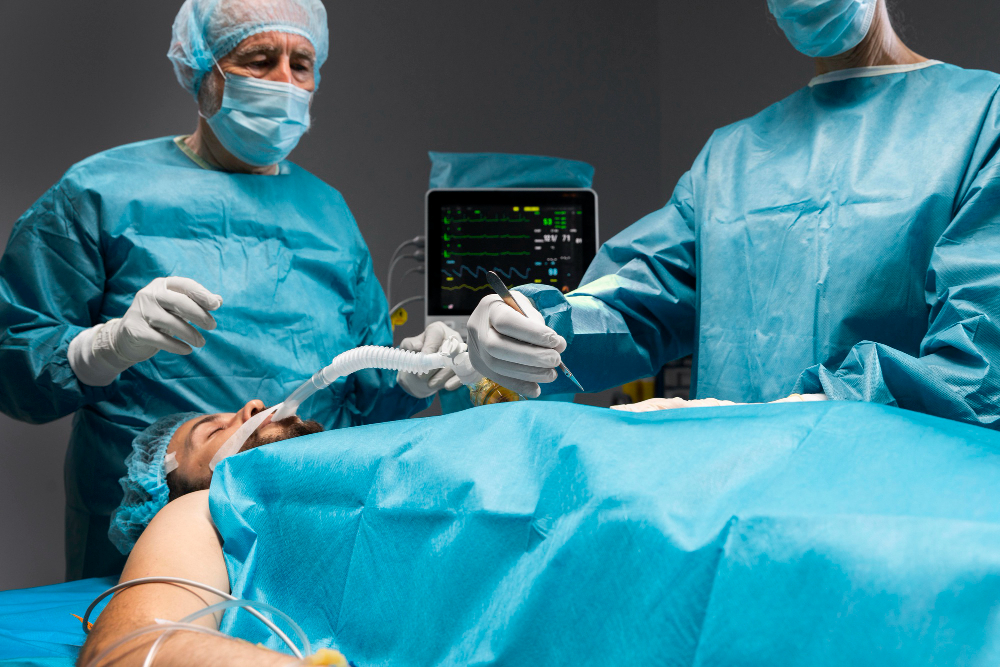
Laparoscopic colorectal surgery is a type of minimally invasive colorectal surgery. In this method, doctors use small cuts and special tools to treat problems in the colon or rectum. Instead of one large cut, several tiny cuts are made. Through these, a camera and thin instruments are inserted. As a result, surgeons can see inside the body and perform the operation with great care. This approach is becoming more popular because it often leads to a smoother recovery.
How Does It Differ from Traditional Surgery?
Traditional colorectal surgery uses a large cut in the belly. In contrast, laparoscopic colon surgery uses much smaller cuts. Because of this, there is less damage to the skin and muscles. Surgeons use a camera to guide their movements. This means they can work with more precision. For many people, this leads to fewer problems after surgery.
Benefits for Recovery
There are many advantages of laparoscopic surgery, especially when it comes to healing. For example, patients often feel less pain after the operation. Because the cuts are smaller, scars are also less noticeable. In addition, people usually spend less time in the hospital. Many return to their daily lives much sooner. According to the World Health Organization, minimally invasive surgery can lower the risk of infection and other problems.
Who Is a Candidate?
Not everyone is the right fit for laparoscopic colorectal surgery. However, many people with colon or rectal problems can benefit. Doctors will look at your health, age, and the type of disease. For example, people with certain cancers, polyps, or bowel blockages may be good candidates. On the other hand, some with severe infections or past surgeries may need a different approach. Always talk to your doctor to see if this method is safe for you.
What to Expect Before, During, and After Surgery
Before surgery, your doctor will explain the steps and answer your questions. You may need some tests to check your health. During the operation, you will be given medicine to sleep. The surgeon will make small cuts and use a camera to guide the tools. After surgery, you will wake up in a recovery room. Nurses will check your pain and help you move around. Most people can eat and walk sooner than with traditional surgery. You may go home in just a few days.
Possible Risks and How They Are Managed
Like all surgeries, laparoscopic colorectal surgery has some risks. These can include bleeding, infection, or injury to nearby organs. However, these problems are rare. Doctors and nurses watch closely for any signs of trouble. If a problem does occur, they act quickly to fix it. According to the Centers for Disease Control and Prevention, the risk of infection is lower with minimally invasive surgery than with open surgery.
Tips for a Smooth Recovery at Home
After you leave the hospital, it is important to take care of yourself. For a faster recovery after colorectal surgery, follow your doctor’s advice. Eat healthy foods, drink plenty of water, and rest when needed. Try to walk a little each day, but do not lift heavy things. If you notice fever, pain, or swelling, call your doctor right away. These steps can help you heal well and avoid problems.
Conclusion
Laparoscopic colorectal surgery offers many benefits for recovery. Because it is less invasive, you may heal faster and feel less pain. If you want to learn more about laparoscopic colorectal surgery in your area, talk to a qualified surgeon. They can help you decide if this option is right for you.
Consult a qualified surgeon at Narayan Swaroop Hospital to discuss if laparoscopic colorectal surgery is right for you.